910-second window · 3 observations · Measured Oct 21, 2026, 8:55 PM UTC · Provider: go_recent_snapshot_v2
Champions League Matchday 3: PSG-Barcelona Result and What Happened
PSG-Barcelona, a goal record, the Etihad empty-seats joke and a Kvaratskhelia celebration: what happened on Champions League Matchday 3 and what's unconfirmed.
Automated briefing. Generated from stored signal measurements and source-backed research; it is not manually reviewed. Read the methodology and limitations.
Metrics in this briefing are a snapshot associated with its publication date and may not reflect current conditions.
What changed
The Champions League is spiking because a busy matchday has produced a cluster of shareable moments at once: the PSG–Barcelona outcome, a choreography controversy around the Barcelona end, a goal record set on the night, the empty-seats joke aimed at Manchester City's Etihad, and a Khvicha Kvaratskhelia celebration tied to streamer IShowSpeed. TrendsAGI measured attention at 4,153.7 posts per hour across an exact 910-second window ending 2026-10-21T20:55:42Z, with 1,411 posts in the latest stored observation. That is a measured snapshot rate taken mid-matchday — not a live or forecast figure — and no single result or clip has been tied to it.
What the numbers do show is pace: a four-digit hourly rate is a fast-moving conversation, and the spike is arriving while matches and post-match reactions are still unfolding. Searchers looking for "PSG Barcelona Champions League matchday 3 result and what happened" are landing in that gap, where fixtures pages give scores but rarely explain which moments are driving the sharing.
The measured signal
| Observation | Value |
|---|---|
| Latest observation time | 2026-10-21T20:55:42Z |
| Measured posts/hour (snapshot rate) | 4,153.7 |
| Measurement window | 910 seconds, 3 stored observations |
| Snapshot volume (latest) | 1,411 posts |
| Stored category | Sports |
The volume and the rate are different things: 1,411 is how many posts the latest snapshot contained, while 4,153.7 is the rate derived from the stored observations. Treating one as the other is the most common mistake people make with this kind of reading.
Why this topic may be moving
The verified driver is breadth. Rather than one match alone, the conversation appears to be accumulating several stories that each have their own audience: a heavyweight result (PSG–Barcelona), a fan-culture row (the choreography), a record (the night's goal benchmark), a joke at an empty stadium (Manchester City vs AEK Athens), and a personality crossover (Kvaratskhelia and IShowSpeed). Sports spikes usually follow a single climax; this one looks like a stack of smaller peaks.
Important caveat: the description of what happened around each moment comes from the search-intent brief, not from confirmed reporting we can independently cite here. The brief names these moments but does not give the final scoreline, the goal count, or the record's name and holder. Two of these gaps are flagged in the brief itself as unverified — the specific goal record and whether Kvaratskhelia actually scored or performed the promised celebration — so this article does not assert either.
The reason for the 4,153.7 posts/hour rate is also unestablished. No source in the brief ties the velocity to a particular event, so the correct position is that the cause remains unclear.
Why it matters
For casual fans, the value is orientation, not exhaustiveness. A fixture table tells you a match finished; it does not tell you why the clip of it is in everyone's feed. The moments above are the ones being passed around alongside the results, and they explain the shape of the trend better than a scoreline does.
For anyone tracking sport on social platforms, this is a useful contrast case: a matchday where attention is distributed rather than concentrated. If you are producing coverage, building a same-night roundup — result, record, meme, celebration, stadium joke, next fixtures — answers questions readers are actually asking in a single sitting.
The trending label captures a conversation, not a leaderboard: this matchday's spike looks driven by several shareable moments arriving together, and the stored signal alone cannot say which one matters most.
What to watch next
- Whether the rate holds after full-time. Post-match reaction and highlight clips often extend a peak; a sharp fall would suggest the buzz was moment-bound rather than sustained.
- Which moment gets the most repeat sharing. Personality crossovers and stadium jokes tend to travel further than scorelines, so watch whether the Kvaratskhelia/IShowSpeed clip or the Etihad empty-seats joke outpaces the result itself.
- Record clarity. If outlets settle the goal record's name, count and holder, that becomes the cleanest fact to lead a follow-up with.
- The next matchday. Fixture and where-to-watch interest usually crests a day or two before kickoff, so expect a second, separate traffic wave.
- Regional spread. The brief does not say which countries dominate these searches, so check local interest before assuming a global audience.
Frequently asked questions
What were the scores and results from the latest Champions League matchday?
The brief confirms that a PSG–Barcelona fixture and a Manchester City vs AEK Athens fixture were part of this matchday, but it does not supply verified final scorelines. We are not filling those numbers in from assumption; check UEFA's official results page for the confirmed scores.
Did PSG beat Barcelona and what happened around the choreo controversy?
A choreography controversy involving Barcelona supporters is reported as part of the night's conversation, but the brief does not verify the result or the details of the dispute. Treat the outcome and the controversy as unconfirmed here.
What was the goal record set on this Champions League night?
The brief notes that a goal record was set and referenced by one outlet, but it does not give the record's name, count or holder. Because those specifics are unverified, we are leaving them out rather than guessing.
Why did Khvicha Kvaratskhelia promise a specific celebration and did he score?
Kvaratskhelia was linked to a promised celebration involving streamer IShowSpeed, which is part of why the clip is circulating. Whether he scored or performed the celebration is explicitly unconfirmed in the brief, so that question stays open.
Why were there 20,000+ empty seats at the Etihad for Man City vs AEK Athens?
The empty-seats mockery around Etihad is one of the night's shareable storylines, but the brief gives no verified explanation for the attendance figure. Any reason offered — pricing, scheduling or otherwise — would be speculation.
When are the next Champions League matchdays and where can I watch them in my country?
The brief identifies fixture and where-to-watch information as a top search need but does not provide verified dates or per-country listings. TV rights vary by region, so the reliable route is UEFA's official fixtures page plus your local broadcaster's schedule.
Methodology and limitations
This brief is built on one stored signal: a category reading for the Champions League label, captured at 2026-10-21T20:55:42Z, showing 1,411 posts in the latest snapshot and a measured rate of 4,153.7 posts per hour across a 910-second window using three stored observations. The rate describes that window only.
What the signal can establish: that conversation around this label was moving quickly during that window mid-matchday. What it cannot establish: which match, player, record or meme caused the movement; where the posts came from geographically; whether the label or a single fixture drove the spike; or any engagement, reach or unique-person figure. The signal counts posts, not people, and a post count is not an audience size.
The matchday context above is attributed to the search-intent brief throughout, and items the brief flags as unverified are presented as unresolved rather than filled in with assumption. Where a fact would require a scoreline, a record detail or a ticket explanation we do not have, the article names the gap instead of closing it.
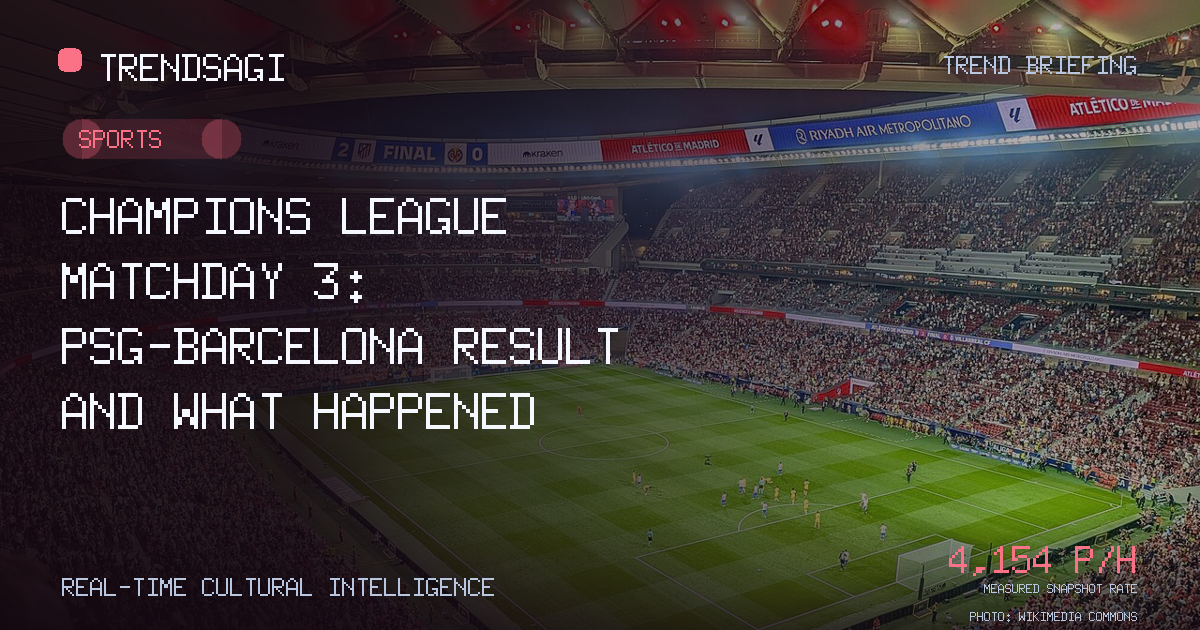
Image: 2026–27 UEFA Champions League by Elwin594, CC0, via Wikimedia Commons.
Track This Topic for New Signals
Set alerts for future velocity or sentiment changes around this topic.
Explore Tracking PlansAbout TrendsAGI research
TrendsAGI's automated research pipeline publishes dated signal snapshots, methodology notes, and practical workflows for teams evaluating cultural momentum. Read how signals are scoped, scored, and limited in our research methodology.